The Episcopal Church
Welcomes You
Our Presiding Bishop
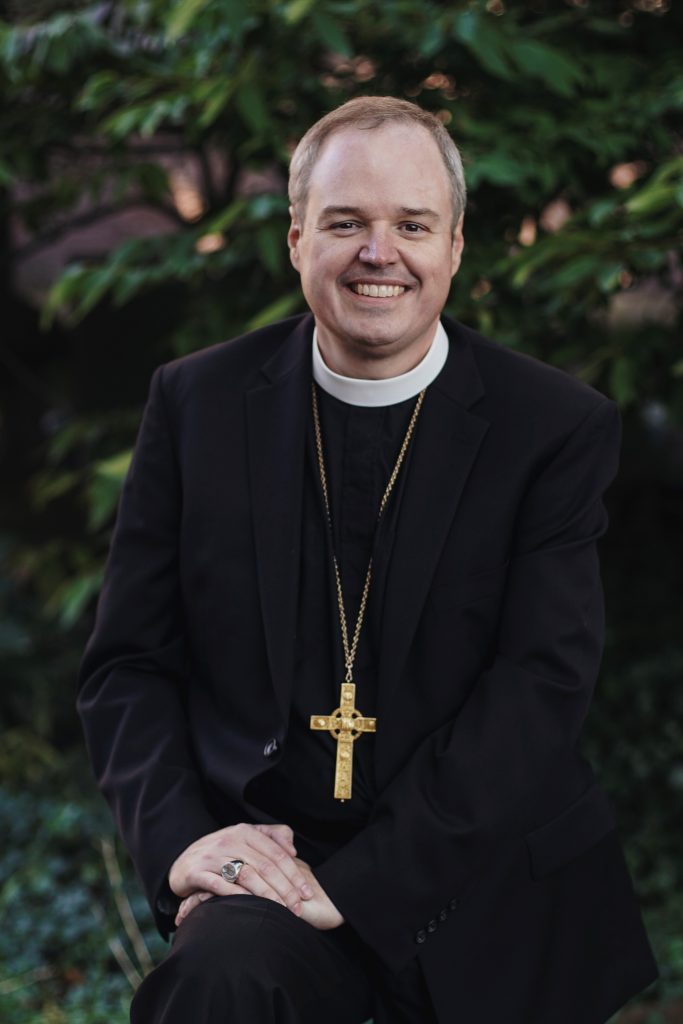
28th Presiding Bishop & Primate
The Most Rev. Sean W. Rowe was elected presiding bishop and primate of The Episcopal Church in June 2024 and took office on Nov. 1 for a nine-year term. In this role, he serves as the church’s chief pastor and CEO. Known for his expertise in organizational learning and adaptive change, Rowe is committed to strengthening support for local ministry and mission.
He was ordained bishop of the Episcopal Diocese of Northwestern Pennsylvania in 2007 after serving as rector of St. John’s in Franklin, Pennsylvania, for seven years. From 2014 to 2018, he served as bishop provisional of the Episcopal Diocese of Bethlehem, and from 2019 to 2024, he led a partnership between the Episcopal Dioceses of Northwestern Pennsylvania and Western New York.
Rowe holds a bachelor’s degree in history from Grove City College, a Master of Divinity degree from Virginia Theological Seminary, and a doctorate in organizational learning and leadership from Gannon University. He has served as a leader of many civic and churchwide organizations and governance bodies, and as parliamentarian for the House of Bishops.

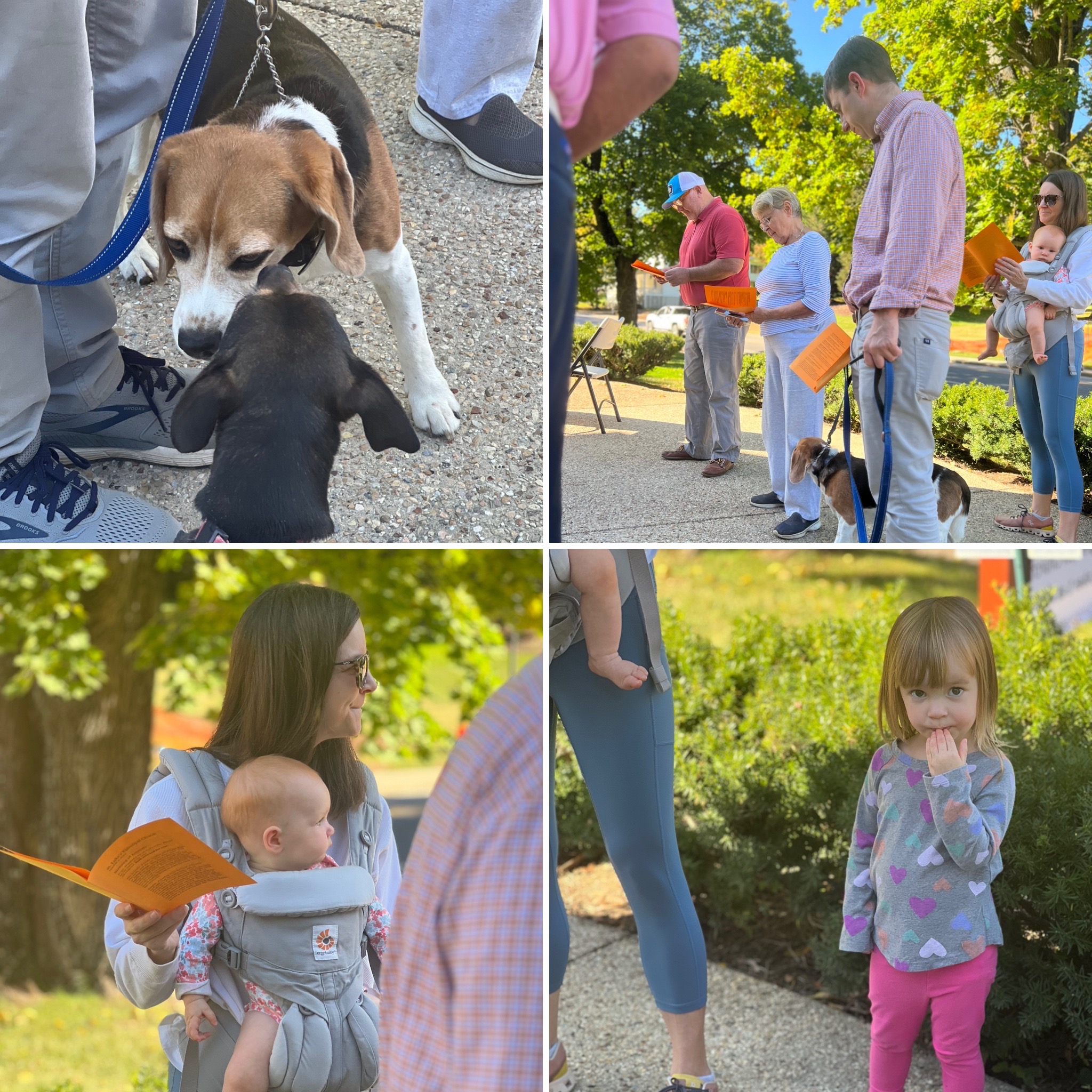
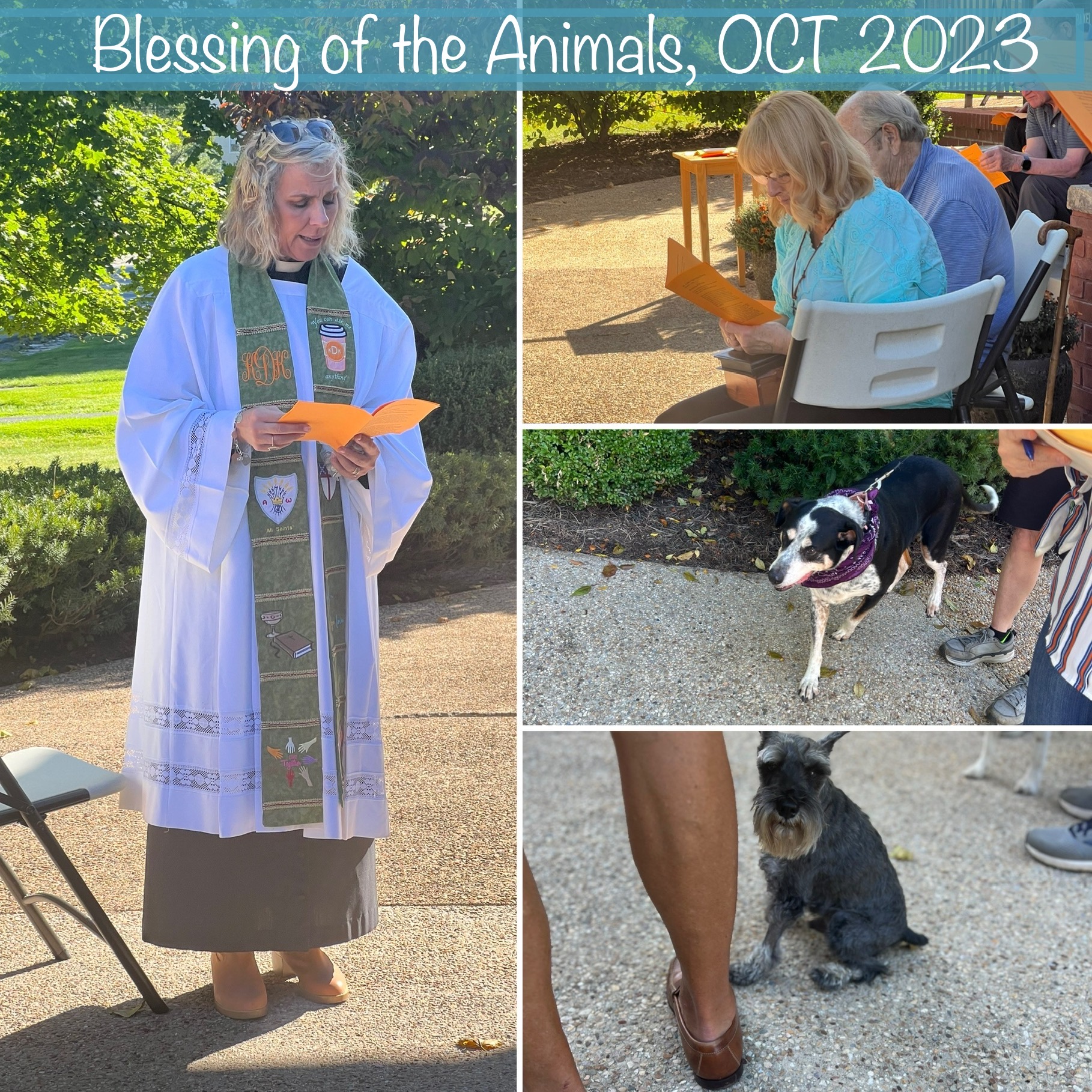
Bring your beloved pet (or picture of your beloved pet) this Sunday, October 4 @ 4PM for blessings and treats from The Very Reverend Katherine Doyle.
The Blessing of the Animals often honors the feast day of Saint Francis of Assisi (b.1181-d.1226), the patron saint of animals, in early October (officially October 4) and is usually celebrated on church grounds and parking lots with the family pets of parishioners and other community members. Born Giovanni di Pietro di Bernardone, Saint Francis was a soldier who was captured and became a prisoner of war as a young man. After he was freed, he felt called to live a life of poverty in service to the church.
Although there are a variety of traditions blessing animals across religions and attributed to other saints and religious figures, the Blessing of the Animals associated with the Catholic Saint Francis dates back to the 13th century when he was on a walk and came upon a flock of birds and began preaching to them (allegedly). Over time, as his following grew, he became known for espousing a spiritual harmony with the larger natural ecosystem. In modern times, his teachings have been invoked to encourage better stewardship of the environment and treatment of animals. The Blessing of the Animals has become a popular way to attract new people to the church, in an era of declining attendance, especially after COVID’s impact.
Saint Francis is often seen as a statue watching over flower beds and fountains in formal gardens.